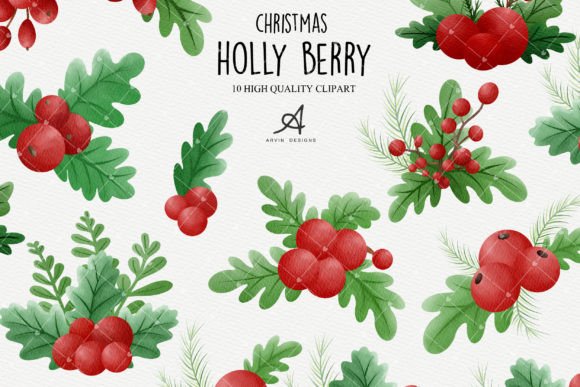
Holly Berry Christmas Clipart: A Designer’s Stitch Review
As an embroidery designer who has spent years translating digital art into thread, I approach every new Holly Berry Christmas Clipart with a mix of excitement and skepticism. We have all seen holiday designs that look stunning on a screen but turn into a tangled mess of bobbin thread once they hit the fabric. The difference between a amateur-looking stitch-out and a professional-grade finished product often lies in how well the original illustration accounts for the physical limitations of the needle and thread.
Recently, I pulled this specific set of Illustrations into my digitizing software to evaluate its potential for a client’s upcoming holiday collection. The goal was simple: determine if this clipart could hold up under the pressure of real-world production, from custom apparel to high-volume Etsy orders. Here is my practical assessment of how this design performs when it leaves the monitor and enters the hoop.
First Impressions: Mood and Visual Personality
The immediate appeal of this Holly Berry Christmas Clipart is its balanced aesthetic. It avoids the overly cartoonish look that can cheapen a handmade product, yet it remains accessible and cheerful. The layout features classic holly leaves with sharp, defined points and clusters of berries that suggest volume without requiring excessive density. For a designer, this is crucial. Sharp points in digital art often translate poorly to embroidery if not properly reinforced with underlay stitches, but the visual weight here suggests that the shapes are robust enough to handle satin stitching or tight fill work.
The mood is traditional but fresh. It does not rely on cluttered backgrounds or unnecessary decorative swirls that complicate the stitching process. This simplicity is a strength. In the world of commercial embroidery, clean lines mean faster production times and fewer thread breaks. When I visualize this on a cream-colored linen tote bag or a deep forest green sweatshirt, the contrast feels natural. It evokes the warmth of the season without screaming for attention, making it versatile for both bold statement pieces and subtle accents.
Real-World Application: From Screen to Stitch
To truly test the viability of any machine embroidery design, you must imagine it on actual products. I mentally placed this clipart on several common items to gauge its fit. For a sweatshirt embroidery project, the design sits beautifully on the left chest. The scale appears appropriate for a 4x4 or 5x7 hoop, allowing the details of the holly leaves to remain visible without becoming so small that they lose definition.
I also considered its use on a tote bag design. Canvas and heavy cotton blends are forgiving fabrics, but they require designs that do not pucker. The open spaces between the berries and leaves in this clipart suggest that the stitch density is likely manageable. If this were a solid block of color, the fabric might distort, but the organic spacing allows the material to breathe. For holiday embroidery on kitchen towels, the design’s linear qualities would work well with running stitch borders or as a central focal point above a monogram.
For Etsy sellers and small shop owners, versatility is key. This clipart could easily serve as the foundation for an embroidered patch. Patches require dense stitching and clean edges to prevent fraying, and the distinct outlines of the holly leaves lend themselves well to this application. Whether used for baby embroidery on a onesie or as a accent on a structured cap, the design maintains its integrity. It does not rely on tiny, fragile details that would snap after the first wash.
Navigating Technical Challenges
While the design is strong, no clipart is universally perfect without proper preparation. There are specific scenarios where you must exercise caution. If you plan to use this on stretchy fabrics like jersey knits for custom apparel, the stability of the holly points becomes a concern. Without a high-quality cut-away stabilizer, the sharp tips of the leaves might pull or distort over time. I recommend testing the design on scrap fabric first to check how the tension interacts with the stretch.
Dark fabrics present another challenge. If you are stitching white or light green thread on a black hoodie, the underlying fabric color can show through if the stitch density is too low. You may need to adjust your digitizing settings to add a thicker underlay or increase the fill density slightly. Conversely, on thin fabrics like silk or lightweight rayon, a dense fill stitch could cause puckering. In these cases, consider scaling the design down or using a lighter weight thread to reduce bulk.
Curved surfaces, such as caps or baby hats, require careful placement. The symmetrical nature of many holly designs can look off-center if not aligned perfectly with the curve of the hat. Always create a printable mockup to visualize the placement before hooping. Additionally, if the clipart includes any tiny text or intricate inner details, verify that they are large enough to be stitched clearly. Tiny lettering often merges into a blob of thread, ruining the professional look of the finished product.
Enhancing Brand Value and Customer Trust
From a business perspective, the quality of your design assets directly impacts customer trust. A crisp, well-stitched Holly Berry Christmas Clipart signals professionalism. When customers receive a personalized gift that looks polished and durable, they are more likely to leave positive reviews and return for future purchases. This design supports brand consistency because its classic style does not clash with most branding palettes. It works equally well for a rustic boutique and a modern minimalist shop.
Using high-quality design assets also streamlines your workflow. When the source illustration is clean, the digitizing process is faster, and the risk of errors during production is lower. This efficiency allows you to focus on marketing and customer service rather than troubleshooting thread breaks. For commercial embroidery projects, where margins matter, this reliability is invaluable.
Practical Notes for the Embroidery Designer
Before you commit to producing a large batch of items, take these practical steps:
- Test on Scrap Fabric: Always stitch out the design on the same type of fabric you intend to use for the final product. This reveals issues with tension, density, and stabilizer choice.
- Check Thread Color Contrast: View the design in black and white to ensure the shapes are distinct. If the leaves and berries blend together in grayscale, you may need to adjust thread colors for better visibility.
- Review Stitch Density: Ensure the density is appropriate for your fabric. Too dense, and the fabric puckers; too sparse, and the backing shows through.
- Confirm Hoop Size: Verify that the design fits comfortably within your hoop size, leaving enough margin for clamping without stitching over the hoop edge.
- Inspect Small Details: Zoom in on the digital file to check for stray nodes or overlapping paths that could cause machine errors.
- Verify Licensing: If you are selling small shop products or digital files, confirm the license terms. Ensure you have the right to use the clipart for commercial purposes and whether attribution is required.
In conclusion, this Holly Berry Christmas Clipart offers a solid foundation for holiday projects. It balances aesthetic charm with technical practicality, making it a reliable choice for designers who value both beauty and functionality. By paying attention to fabric choice, stabilizer selection, and stitch parameters, you can transform this digital illustration into a standout handmade product that delights customers and elevates your brand.