Review: Christmas Gingerbread House Sublimation2 for Holiday Embroidery
As a designer who spends more time staring at stitch previews than I do sleeping during the holiday rush, I approach every new machine embroidery design with a healthy dose of skepticism. We have all been there: you buy a cute graphic, digitize it (or download a pre-made embroidery file), and realize halfway through that the satin columns are too wide or the fill density will turn your fabric into cardboard. That is why I took a close look at Christmas Gingerbread House Sublimation2 before committing it to any client projects. While the title suggests a sublimation origin, my job is to evaluate how this illustration translates into thread for real-world applications.
First Impressions: Mood and Visual Personality
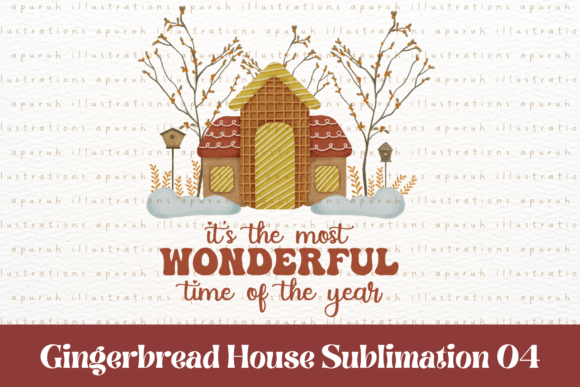
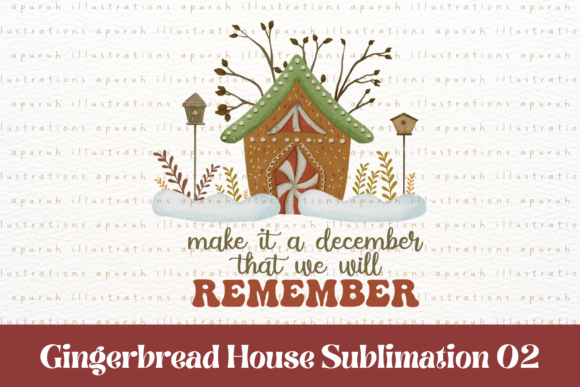
The first thing that strikes me about Christmas Gingerbread House Sublimation2 is its charming, storybook aesthetic. It falls squarely into the Illustrations category, featuring a whimsical structure that feels cozy rather than rigid. The layout is balanced, with a central focal point that draws the eye immediately to the roofline and door details. For a holiday collection, this is exactly the kind of visual personality we want; it evokes warmth, nostalgia, and the specific magic of December nights.
However, from a technical standpoint, an illustration meant for print does not always translate perfectly to thread. My initial concern was the level of detail. In sublimation, you can get away with tiny gradients and micro-lines. In embroidery, those same elements can become a nightmare of thread breaks and bird nests if not handled correctly. Fortunately, this design appears to have distinct shapes that lend themselves well to standard stitching techniques like fill stitch for the walls and satin stitch for the outlining and decorative "icing" details.
Real-World Application: The Tote Bag Test Case
To truly gauge the value of this asset, I imagined a specific scenario: a custom order for a local boutique needing fifty holiday embroidery tote bags for a Christmas market. The client wants something festive but sophisticated—nothing too childish, yet undeniably seasonal. Christmas Gingerbread House Sublimation2 fits this brief perfectly.
When placed on a canvas tote bag design, the house shape provides a sturdy silhouette that holds up well against the texture of the fabric. Unlike intricate snowflakes that might get lost in the weave of a heavy canvas, the bold lines of this gingerbread house remain crisp. I can visualize using a matte finish thread for the cookie walls to mimic that baked texture, contrasted with a high-sheen rayon for the icing details to make them pop. This interplay of textures adds significant value to the finished product, making it feel like a premium handmade product rather than a mass-produced item.
Beyond tote bags, this design is versatile enough for sweatshirt embroidery. On a heather grey fleece, the design would offer a soft, vintage look that appeals to adult customers looking for ugly-cute holiday gear. It also works beautifully as an embroidered patch, which could be sewn onto denim jackets or knit hats, adding a layer of durability and versatility for the end user.
Technical Considerations and Fabric Constraints
While the aesthetic is strong, practical execution requires caution. If you are planning to use Christmas Gingerbread House Sublimation2 on stretchy fabrics like jersey knits for baby embroidery projects, you must pay close attention to your stabilizer choice. The density of the house structure, particularly if the roof features heavy detailing, could cause the fabric to pucker if not properly supported. A cut-away stabilizer is likely necessary here to maintain the shape of the design after washing.
Another critical factor is the hoop size. Depending on the specific dimensions of the file you purchase, this design might require a medium or large hoop. If you are working on curved surfaces like caps, ensure the design fits within the cap frame without distorting the perspective of the house. Tiny corners in the roof shingles or window frames can be problematic on textured fabrics like towels or corduroy. In these cases, simplifying the stitch density in post-processing or choosing a smoother fabric base is advisable.
Color selection is also paramount. Since this is an illustration-based design, it relies on color blocking. When translating this to thread, ensure your thread colors have enough contrast. Using shades of brown that are too similar can make the design look muddy from a distance. I recommend testing the design in a black-and-white mockup first to verify that the shapes remain distinct without relying on color differentiation.
Commercial Viability for Etsy Sellers and Makers
For Etsy sellers and owners of small shop products, the commercial potential of Christmas Gingerbread House Sublimation2 is high. Holiday items are impulse buys, and the emotional connection to gingerbread houses is universal. However, professionalism is key. A poorly stitched design can damage your brand reputation faster than a late shipment.
Before listing this as a personalized gift option or incorporating it into your custom apparel line, verify the licensing terms. Just because a file is available for purchase does not automatically grant rights for unlimited commercial use. Check if the license covers physical goods, digital mockups, or both. Additionally, since the source is labeled under sublimation, confirm that you are receiving a true digital embroidery file (like PES, DST, or EXP) and not just a raster image that you will need to digitize yourself. If you do need to digitize it, treat it as an applique design candidate if the original art has distinct color regions, which can save thread and reduce bulk.
Final Verdict and Designer Notes
In conclusion, Christmas Gingerbread House Sublimation2 is a promising asset for the holiday season, provided it is treated with technical respect. It offers a delightful blend of whimsy and structure that works well across various mediums, from kitchen towels to boutique clothing. Its strength lies in its recognizable shape and emotional resonance.
Before running this on a final customer item, follow these practical steps:
- Test on scrap fabric: Always stitch out a sample on the exact material you intend to sell.
- Check stitch density: Ensure the fill areas are not so dense that they compromise the drape of the fabric.
- Review small details: Zoom in on the preview to see if tiny elements like doorknobs or chimney bricks will actually stitch out cleanly.
- Confirm file compatibility: Make sure the format matches your machine and that the hoop size requirements fit your equipment.
- Evaluate washability: Consider how the design will hold up after multiple washes, especially if used on items like aprons or tea towels.
By approaching Christmas Gingerbread House Sublimation2 with a critical eye and a focus on quality control, you can transform a simple illustration into a standout piece of commercial embroidery that delights customers and boosts your craft business. Remember, the difference between a good product and a great one often lies in the details of the stitch.